The argument for dropping it
Optical SPDIF dates from the 1980s. It cannot carry the newest object-based audio formats, it takes board space, and it needs a light pipe through the housing. Plenty of streaming boxes have dropped it and call it legacy.
On paper, removing it would have made the rear panel simpler and the box a little cheaper to build.
Who still depends on it
Audio equipment lasts far longer than televisions and streaming boxes. A great many homes have sound systems that predate HDMI ARC, or that handle it badly.
- An older receiver with excellent speakers and no usable HDMI input.
- A soundbar whose ARC connection drops out whenever the television updates.
- A hearing-loop system in a living room, which in practice is optical-only.
- A second television in a workshop or cabin, wired to a stereo amplifier from a previous decade.
None of those people should have to replace an amplifier because a streaming box removed a port.
The decision
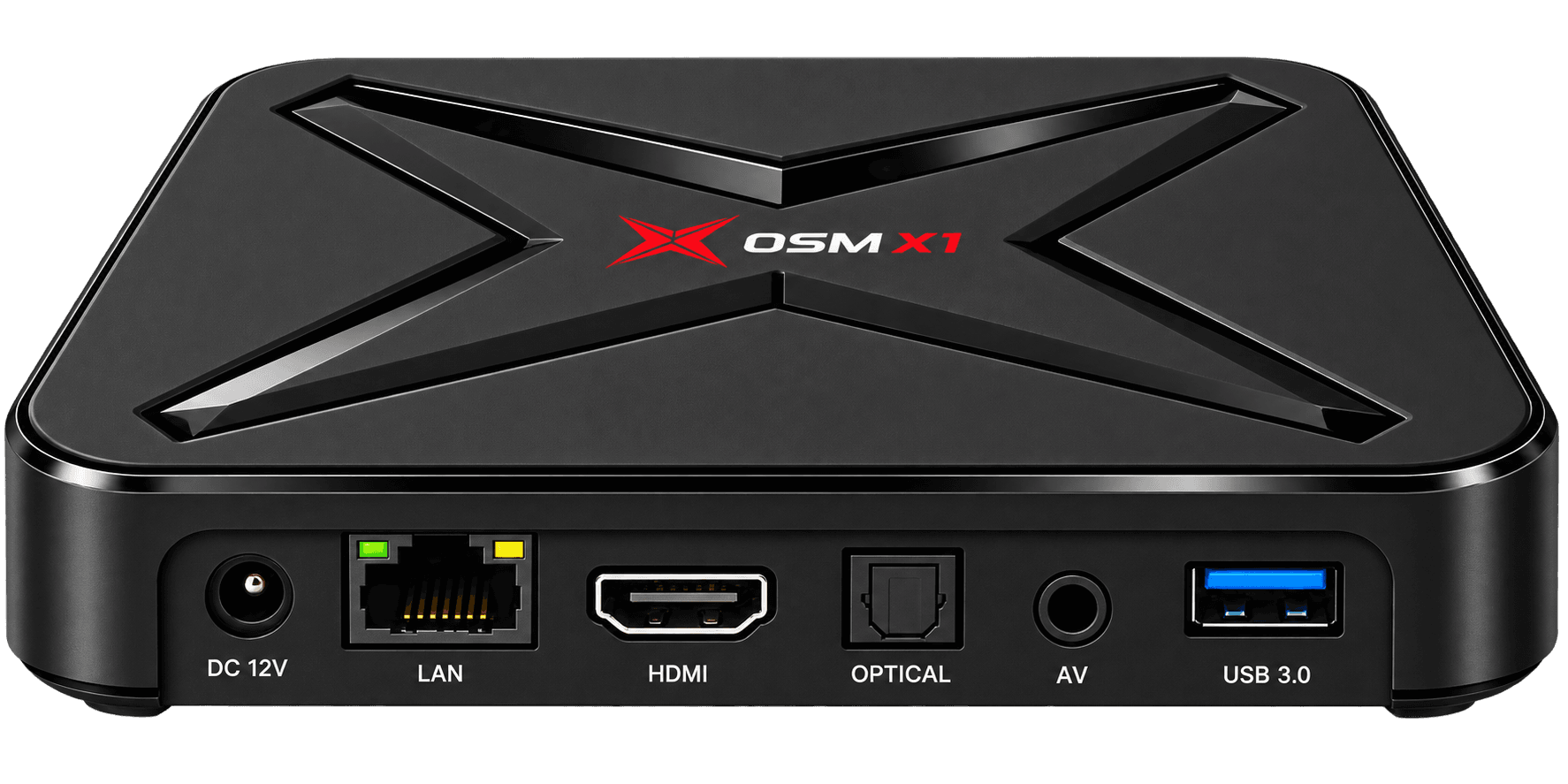
We kept it. The optical output sits on the rear panel next to the AV output, on every box in the range.
If you are choosing an audio route
HDMI to a receiver is still the best-quality option and the one we recommend first. Optical is there for the systems HDMI cannot reach.
Written by the OSM Team.
All posts